 Skip to content

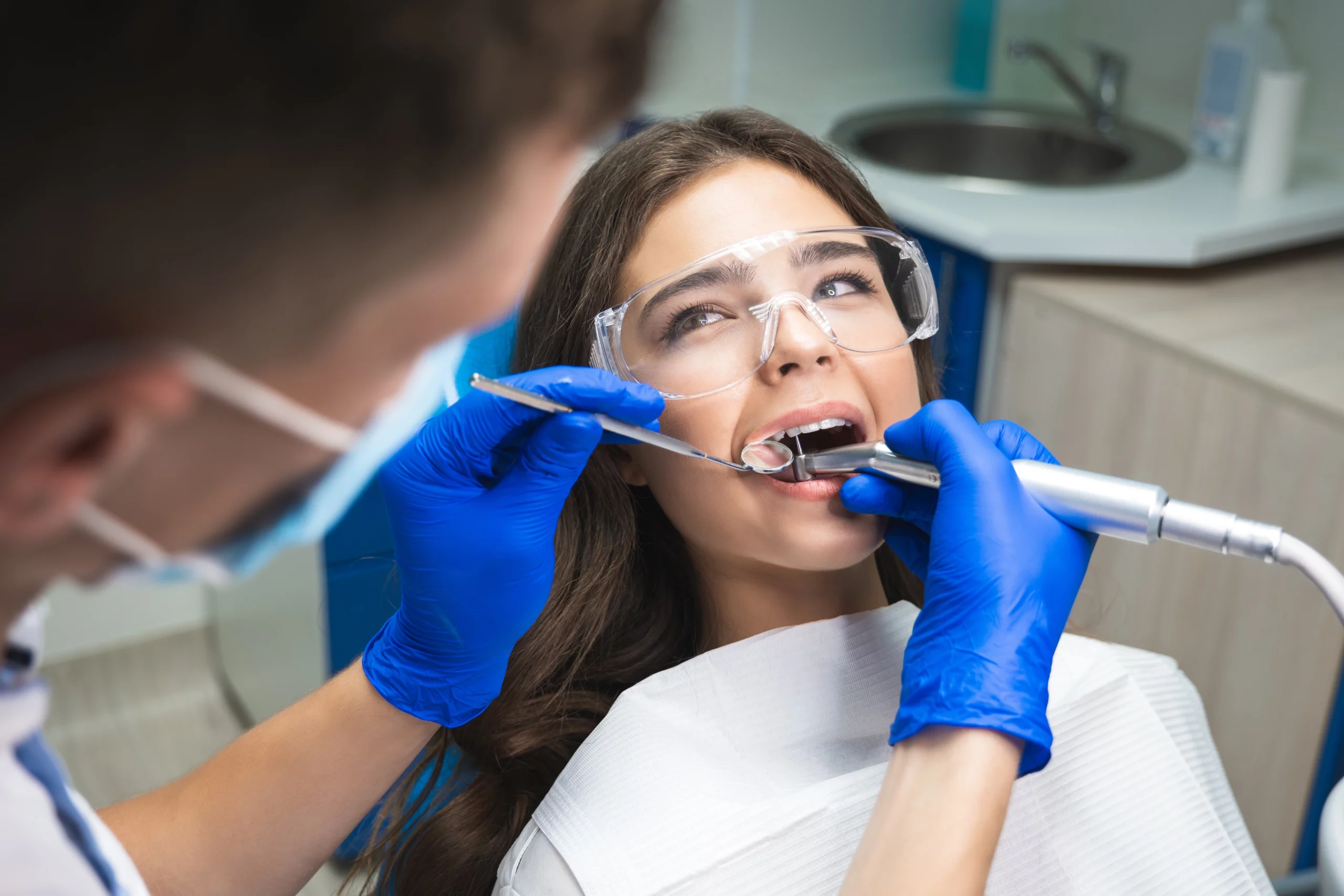
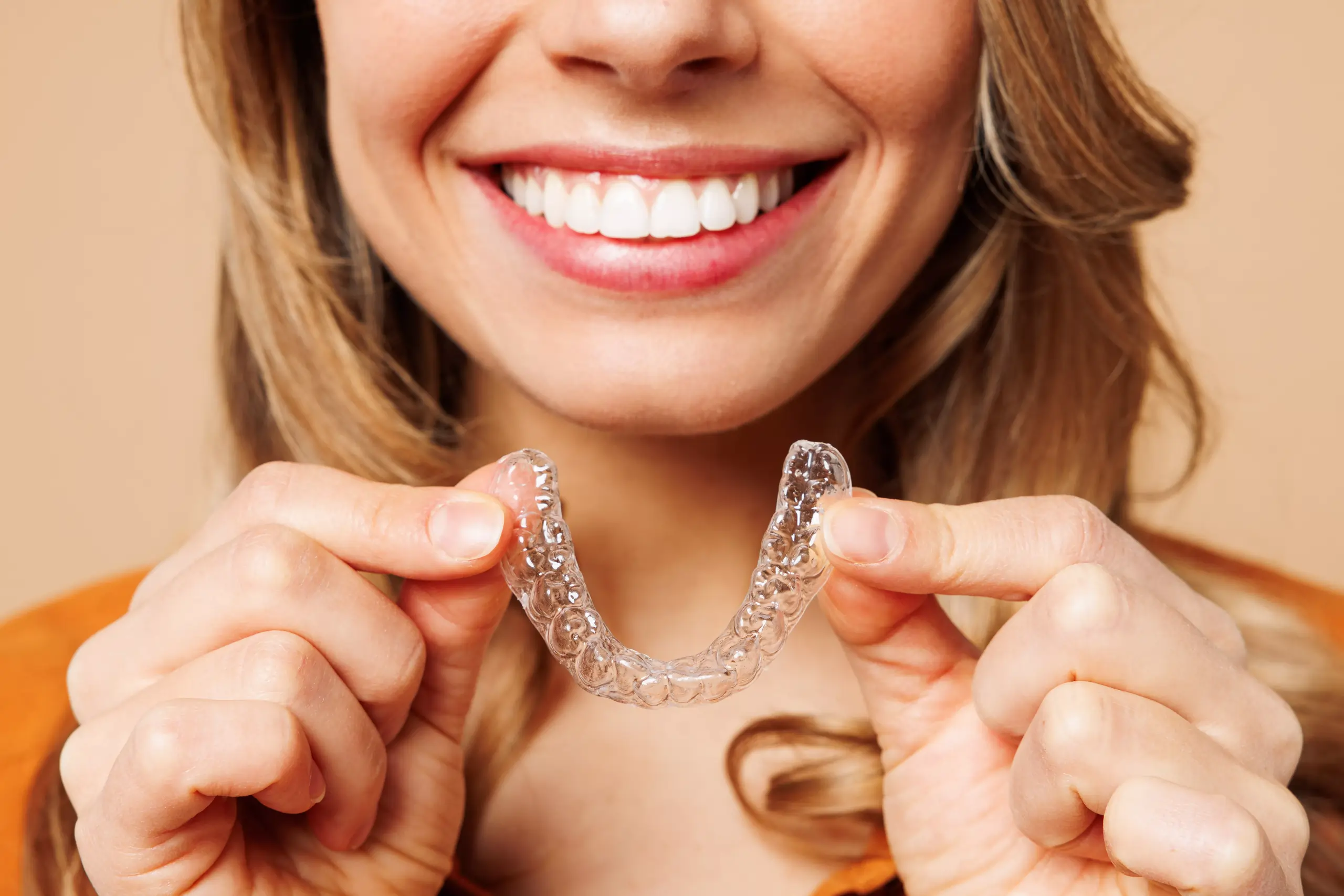

Table of Contents
A bright, healthy-looking smile can make a big difference in how people feel about themselves. Stained, discolored, or yellow teeth often lead to self-consciousness, especially in social and professional situations. At Lee, Bonfiglio, Vesely & Associates, patients usually ask about safe and effective ways to improve the appearance of their teeth. Teeth whitening continues to be one of the most requested cosmetic dental treatments today. But how exactly does it work? And which method is right for you?
This article will explain how teeth whitening works, discuss the options available including professional treatments and at-home methods and address patients’ concerns. If you’re considering teeth whitening in Annapolis, MD, keep reading to make an informed decision.
What Causes Tooth Discoloration?
To understand how teeth whitening works, it’s helpful first to know what causes discoloration. Stains on teeth can be classified as extrinsic or intrinsic.
Extrinsic Stains
These stains appear on the outer layer of the tooth (enamel) and are usually caused by:
- Drinking coffee, tea, red wine, or cola
- Smoking or using tobacco products
- Eating highly pigmented foods like berries and tomato sauce
- Poor dental hygiene habits
These stains are usually the easiest to remove using professional or over-the-counter whitening products.
Intrinsic Stains
These occur deeper inside the tooth and may result from:
- Aging (as enamel thins, the yellow dentin underneath becomes more visible)
- Exposure to certain medications (like tetracycline)
- Tooth trauma or damage
- Excessive fluoride exposure in childhood
Intrinsic stains are more challenging and require professional solutions like Zoom teeth whitening.
How Does Teeth Whitening Work?
Teeth whitening products use active ingredients that help break down stains. Most whitening agents contain either hydrogen peroxide or carbamide peroxide. These chemicals enter the enamel and break apart the stain molecules through oxidation.
Whitening and the Tooth Structure
Enamel, your tooth’s outer layer, is porous. When peroxide-based products are applied, the active ingredient travels through these pores and interacts with the discolored molecules. Through a chemical reaction, the stains become lighter, making the teeth appear whiter. This process doesn’t damage the tooth structure when used as directed.
Is Teeth Whitening Safe?
When supervised by dental professionals, teeth whitening is considered safe for most patients. Some individuals may experience temporary tooth sensitivity or mild gum irritation, which will subside after a few days. Dentists often recommend fluoride treatments or toothpaste designed for sensitive teeth before and after whitening to minimize sensitivity.
Professional vs. At-Home Teeth Whitening Options
Several teeth-whitening methods are available, each with varying levels of effectiveness and safety. Patients looking for long-lasting, noticeable results usually benefit more from professional treatments.
Zoom Teeth Whitening
Zoom teeth whitening is among the most popular in-office treatments offered at Lee, Bonfiglio, Vesely & Associates. It involves applying a hydrogen peroxide gel to the teeth and activating it with a special LED light. This process accelerates the whitening effect and typically takes about 45 minutes to an hour.
Benefits of Zoom Teeth Whitening:
- Immediate results patients often see their teeth lighten by several shades after one session
- Performed under professional supervision
- Safe and effective for both extrinsic and intrinsic stains
Custom Take-Home Trays
Some patients prefer to whiten their teeth at home using custom-fitted trays provided by their dentist. These trays hold a prescription-strength whitening gel and are worn for a specified amount each day, usually over one to two weeks.
Advantages:
- Controlled, gradual whitening
- There is less risk of gum irritation due to custom fit
- It can be used for periodic touch-ups after in-office treatment
Over-the-Counter Whitening Products
These include whitening strips, toothpaste, and trays available at drugstores. While convenient and less expensive, these options generally contain lower concentrations of active ingredients and may take longer to show noticeable results. When misused, they can also cause uneven whitening and gum sensitivity.
Natural Teeth Whitening Methods: Do They Work?
Some patients are interested in natural teeth whitening methods. These may include:
- Brushing with baking soda
- Oil pulling with coconut oil
- Using hydrogen peroxide diluted with water
- Consuming crunchy fruits and vegetables such as apples and celery
While some of these practices may help reduce surface stains to a limited extent, they are not a substitute for professional whitening treatments. Furthermore, excessive use of abrasive substances like baking soda can wear down enamel over time. Patients seeking natural teeth whitening methods should consult their dentist to avoid unwanted side effects.
Who is a Good Candidate for Teeth Whitening?
Some people may not be a good candidate for teeth whitening. Knowing what determines eligibility can help you decide whether it’s right for your smile.
Suitable Candidates
- Adults with healthy teeth and gums
- Patients with yellow or extrinsically stained teeth
- Individuals who have recently completed orthodontic treatment and want to improve their appearance (teeth whitening after braces is a common request)
May Not Be Ideal
- Individuals with crowns or veneers (these don’t whiten)
- Those with intrinsic discoloration due to trauma or medication
- Patients with untreated cavities or gum disease
- Pregnant or nursing women (whitening is generally postponed)
Your dentist will evaluate your health during a consultation and recommend the most appropriate treatment.
How to Maintain Results After Whitening
Teeth whitening is not permanent. Over time, staining habits and aging can cause teeth to become discolored again. However, patients can prolong their results by following a few simple habits.
Tips for Long-Lasting Whitening
- Avoid smoking and reduce your consumption of coffee, tea, and wine
- Floss every day and brush twice a day with fluoride toothpaste
- Rinse your mouth after consuming staining foods with water
- Visit your dentist for regular cleanings
- Use touch-up treatments as recommended
Following these guidelines can help keep your smile looking brighter longer.
Why Choose Lee, Bonfiglio, Vesely & Associates for Teeth Whitening in Annapolis, MD?
Lee, Bonfiglio, Vesely & Associates offer professional cosmetic dental treatments, including the best teeth whitening treatments in-office and at home. Their team has extensive experience helping patients achieve cleaner, brighter smiles through safe and proven methods.
Whether you need teeth whitening for stained teeth or teeth whitening for yellow teeth, the practice uses high-quality materials and industry-recommended techniques to deliver results you can feel confident about.
Patients looking for teeth whitening after braces will also benefit from a customized plan to ensure their smile seems as straight and bright as possible.
Conclusion
Getting your teeth whitened can enhance the appearance of your smile by reducing stains and discoloration. Whether you’re looking for fast results with Zoom teeth whitening or prefer a take-home solution, effective options are available. While natural teeth whitening methods may offer minor improvements, professional treatments are generally more consistent and safer.
Lee, Bonfiglio, Vesely & Associates proudly provides expert teeth whitening in Annapolis, MD. If you’re ready to improve your smile, speak with one of their dental professionals to learn what treatment option is right for you.
Say Goodbye to Stains book now by visiting the official service page. Contact us today with questions or to schedule an appointment.


