 Skip to content

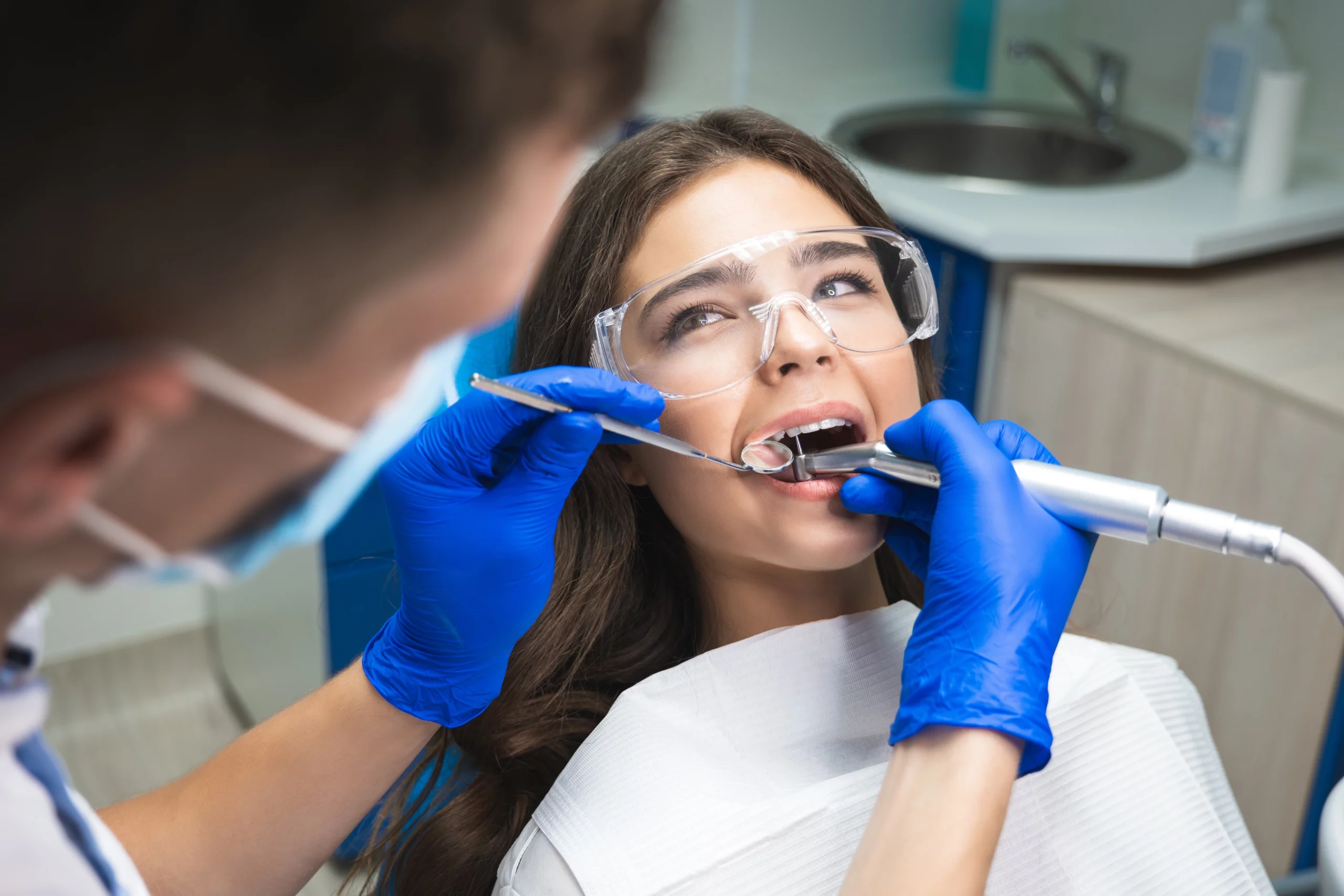

Table of Contents
You know you should brush twice a day and floss regularly, but life gets busy. Maybe you skip flossing more often than you’d like to admit, or you’ve been putting off that dental cleaning for months. If you’ve noticed increased sensitivity when drinking cold beverages or found yourself avoiding certain foods, these could be early signs that poor oral hygiene is catching up with you.
The connection between daily oral care habits and dental fillings is more direct than many people realize. What starts as plaque buildup from missed brushing sessions can quickly progress to cavities that require professional intervention. At Annapolis Cosmetic and Implant Dentistry, we see patients daily who wish they had understood this progression before it required treatment.
Understanding how oral hygiene directly impacts your need for dental work can help you make informed decisions about your daily habits and when to seek professional care. The good news is that even if you already need fillings, the right treatment can restore your teeth while you establish better habits for the future.
The Hidden Connection Between Daily Habits and Cavity Formation
Poor oral hygiene creates a perfect environment for cavity development through a process that happens gradually but consistently. When you don’t remove plaque effectively through brushing and flossing, harmful bacteria multiply rapidly in your mouth, feeding on food particles and producing acids as waste products.
These acids attack your tooth enamel continuously, creating weak spots that eventually become cavities. What many people don’t realize is that this process can accelerate quickly – a small area of demineralization can become a cavity requiring fillings for poor oral hygiene in just a few months.
The areas most vulnerable to this process are between teeth where floss should reach, along the gumline where plaque accumulates, and in the grooves of back teeth where food particles get trapped. These are exactly the spots where most people’s oral hygiene routines fall short.
Oral hygiene and dental fillings have an inverse relationship – the better your daily care, the fewer fillings you’ll likely need throughout your lifetime. However, when prevention has already been missed, professional treatment becomes necessary to stop further damage and restore function.
How Modern Dental Fillings Restore Health and Confidence
Immediate Pain Relief and Protection
Dental fillings for cavities provide quick relief from sensitivity and discomfort. They create a protective seal that prevents bacteria from damaging the inner layers of your tooth.
Natural-Looking Restoration Options
Composite fillings blend seamlessly with your tooth’s natural shade, creating virtually undetectable restorations. Because these advanced materials adhere directly to your existing tooth, they typically preserve more of your healthy tooth structure during placement.
Long-Term Oral Health Protection
Tooth decay treatment through fillings helps prevent minor issues from escalating into major procedures. When done correctly, fillings can serve you well for years to come, representing a smart choice for your long-term dental health.
Improved Function and Comfort
Fillings restore normal chewing function, allowing you to enjoy food without discomfort. Many patients find that getting fillings encourages them to maintain better oral hygiene, benefiting their overall dental health.
Who Benefits Most from Professional Dental Filling Treatment?
Professional dental fillings are most beneficial for individuals experiencing early to moderate stages of tooth decay. If you have a cavity, chipped tooth, or minor enamel erosion, fillings help restore the tooth’s structure and prevent further damage. Here are the groups who benefit most:
- A patient with cavities caused by poor oral hygiene or frequent sugar intake who needs dental fillings to stop the decay and restore normal function.
- Someone with worn enamel or small cracks in their teeth looking to strengthen and enhance the appearance of their smile using composite dental fillings.
- An individual experiencing tooth sensitivity due to minor decay or exposed dentin who would benefit from a filling that seals and protects sensitive areas.
- Those who prioritize preventive dental care and aim to tackle dental problems promptly to prevent the need for more invasive treatments like root canals or tooth extractions.
If you’re dealing with persistent sensitivity, visible holes, or mild tooth pain, it might be time to schedule a filling. At Annapolis Cosmetic and Implant Dentistry, we offer dental fillings that are both effective and discreet –contact us to get started.
Your Dental Filling Experience: Comfortable, Efficient, Professional Care
Pre-Treatment Consultation and Planning
Your appointment begins with a comprehensive dental exam and digital imaging to assess the decay and plan the best treatment approach. You’ll also have time to discuss your concerns, material preferences, and ask questions to feel confident moving forward.
Treatment Day: What Happens During Your Appointment
The procedure typically lasts 30–60 minutes per tooth and starts with local anesthesia to keep you comfortable. After removing the decayed area, the tooth is filled with layers of composite material and cured for a natural, durable finish.
Immediate Aftercare and Recovery
Most patients can go back to their normal activities the same day, although it’s best to wait until numbness wears off before eating. Some mild sensitivity is normal and usually fades within a few days as your tooth adjusts.
Long-Term Results and Maintenance
Dental fillings can last over a decade with good oral hygiene and regular checkups. They not only restore your teeth but also often motivate better dental habits moving forward.
FAQs About Dental Fillings and Oral Hygiene
Will getting fillings help me avoid additional dental procedures?
Dental Fillings stop decay in treated teeth but don’t prevent new cavities from forming, so maintaining excellent oral hygiene remains essential.
How can I determine if my poor oral hygiene has contributed to cavities?
Look for tooth sensitivity, dark spots, visible holes, rough edges, or chewing pain, but early cavities often have no noticeable symptoms.
What distinguishes composite fillings from amalgam fillings?
Composite dental fillings match your tooth color and bond directly to teeth, while amalgam fillings are silver-colored and require more tooth removal.
Take Action Now to Protect Your Smile and Health
When poor oral hygiene has already damaged your teeth, dental fillings provide a reliable solution to repair the issue and prevent further deterioration, all while maintaining a natural-looking smile. While brushing and flossing every day remains the best way to prevent cavities in the first place, today’s composite fillings are comfortable and can last for many years if you do end up needing them.
At Annapolis Cosmetic and Implant Dentistry, we offer comprehensive dental fillings in Annapolis using the latest materials and techniques to ensure comfortable treatment and excellent results. We understand that finding the best fillings for your teeth is vital for maintaining your oral health. Our experienced team is dedicated to addressing each patient’s unique needs and is committed to helping you achieve optimal oral health through personalized, professional care.
Restore your smile today book a dental filling appointment now!


