 Skip to content

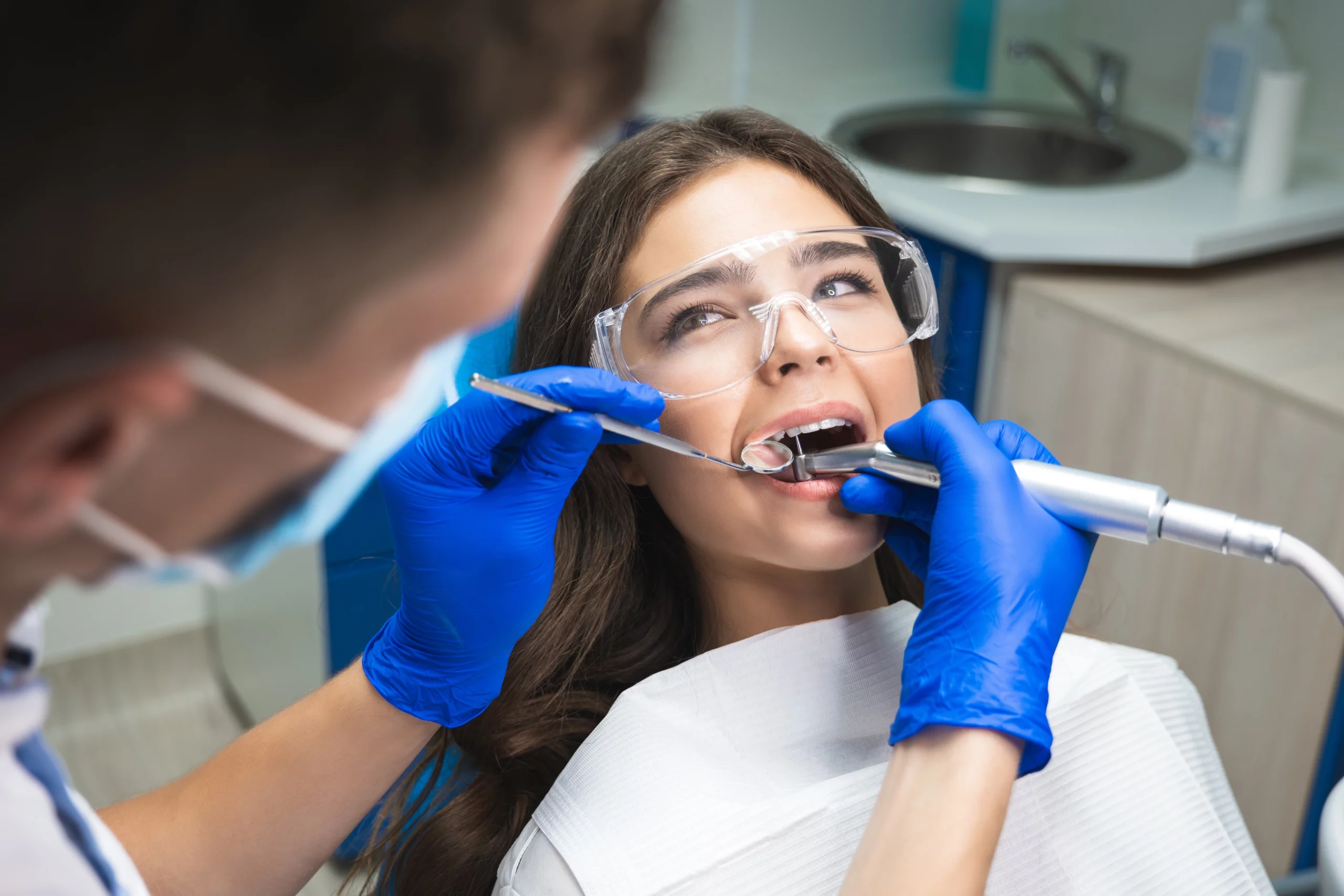
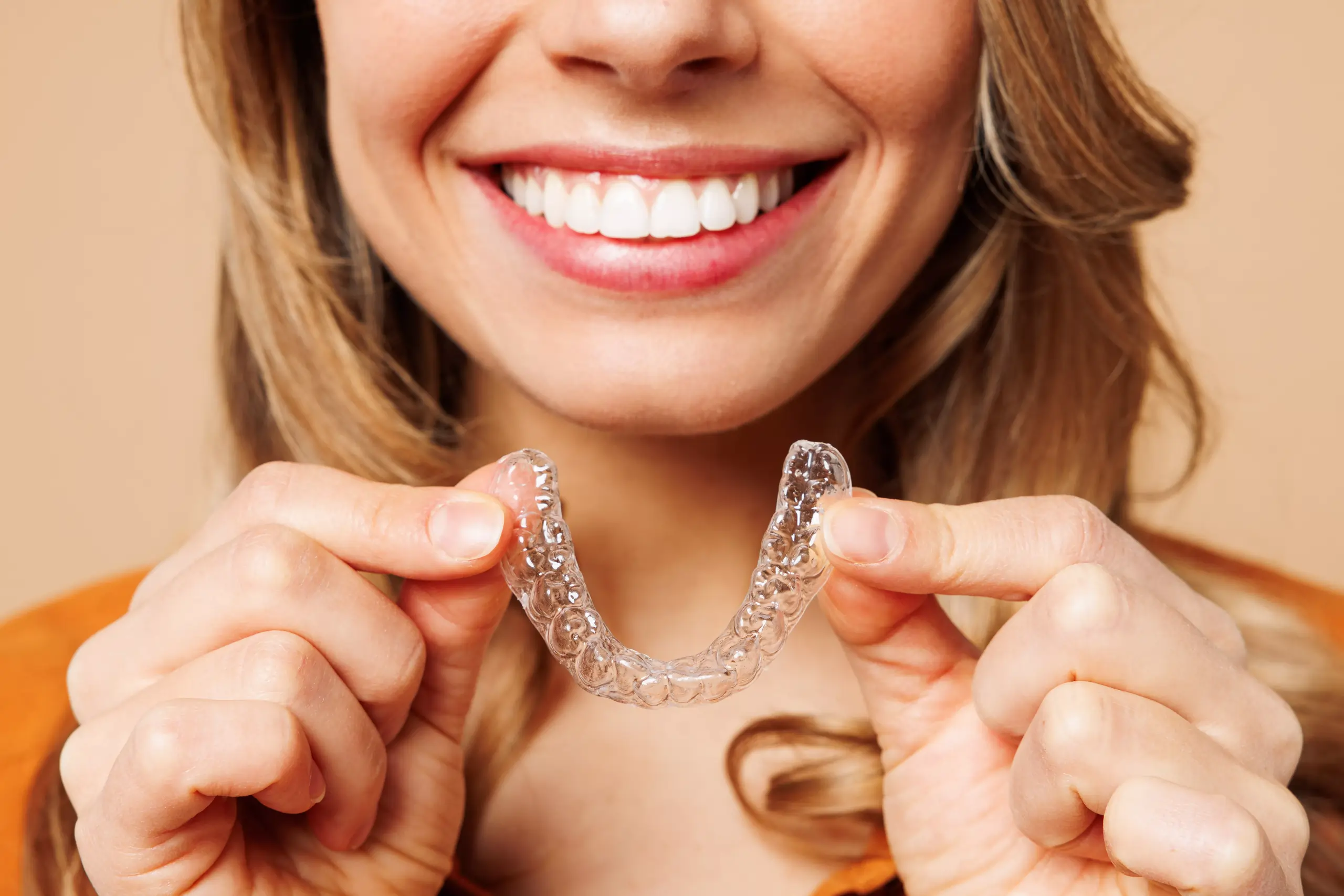

Table of Contents
Losing teeth can be a frustrating experience. It can change how you eat, how you speak, and even how you feel when you smile. If you’re dealing with gaps in your smile because of decay, an old injury, or gum disease, there’s a fantastic, reliable solution to consider.
At Annapolis Cosmetic and Implant Dentistry, we’ve helped countless people regain their confidence with high-quality, custom-made dentures and partials. Today’s dental technology allows us to create comfortable, functional, and beautiful smiles that look just like the real thing. Think of this guide as a chat with a friend who knows the ropes, walking you through everything you need to know about starting this process.
Why Do People Need Dentures or Partials?
The reasons for tooth loss are different for everyone. Sometimes it’s a single event, and other times it’s a gradual process. Many of our patients come to us because of:
- Tooth Decay: Cavities can sometimes become too large to be fixed with a filling or crown, leaving extraction as the best option.
- Gum Disease: Severe gum disease can harm the bone that holds your teeth in place, making them brittle and ultimately falling out.
- Trauma or Injury: One or more teeth may be suddenly lost as a consequence of an accident or fall.
- General Wear Over Time: As we age, our teeth can wear down, crack, or become too fragile to function properly.
Whatever the reason, the result is the same: gaps in your smile that can make chewing difficult and leave you feeling self-conscious. If you’re looking for options for Dentures and Partials in Annapolis, we’re here to help you find the perfect solution for your specific needs.
What Are Your Options? Complete vs. Partial Dentures
The first step is determining the type of denture that’s right for you. The choice mainly depends on how many teeth you’re missing.
Complete Dentures
As the name suggests, complete dentures are used when all the teeth in an entire arch, either upper or lower, are missing. They rest on your gums and are held in place by a combination of natural suction and a thin layer of saliva.
There are two main types of complete dentures:
1. Conventional Dentures
These are created following the extraction of any last teeth and the complete healing of the gum tissues. Healing can take several weeks or even a few months, so you would be without teeth during this period. The advantage is that the final fit is very accurate because the gums and bone have settled into their long-term shape.
2. Immediate Dentures
These are prepared ahead of time and put in your mouth as soon as the rest of your teeth are extracted. The biggest benefit is that you never have to go without teeth. However, as your gums and jawbone heal and shrink, these dentures will require adjustments and relining to maintain a proper fit. Many people use immediate dentures as a temporary solution while their mouth heals before getting their conventional set.
Partial Dentures
If you still have some healthy, natural teeth, a partial denture is an excellent choice. It’s designed to fill in the spaces created by missing teeth while preventing your other teeth from shifting out of position. Think of it like a puzzle piece that completes your smile.
Partials are typically held in place with clasps that grip onto your nearby natural teeth. They can be made from a combination of materials, and one of the most popular modern options is flexible partial dentures. These are made from a lightweight, pliable material that blends in with your gums for a more comfortable and discreet fit. They don’t require metal clasps, which many people appreciate for aesthetic reasons.
The Denture Fitting Process
Getting new dentures is a collaborative process between you and your dentist. It’s all about creating a result that you love and feel comfortable with. Here’s a breakdown of what the denture fitting process typically looks like.
Step 1: Your Initial Consultation
This is where it all begins. You’ll sit down with us to talk about your goals, concerns, and what you hope to achieve. We’ll perform a thorough examination of your mouth, including your gums and any remaining teeth.
We might take X-rays to get a clear picture of your jawbone structure. This first meeting is all about gathering information and creating a personalized plan. We’ll discuss whether a complete or partial denture is best for you and answer every question you have.
Step 2: Making Impressions and Taking Measurements
To create a denture that fits perfectly, we need an exact model of your mouth. We’ll take impressions of your dental arches using a soft, putty-like material. This is a quick and painless process that captures all the unique contours of your gums.
We’ll also take specific measurements of your jaw and how your upper and lower jaws relate to one another. This ensures your new teeth will bite together correctly, which is vital for comfortable chewing and a proper facial profile.
Step 3: The Wax Try-In
This is one of the most exciting parts of the process. Before the final denture is made, we’ll create a wax model, or a “try-in,” for you. The prosthetic teeth are set in wax, allowing you to get a preview of your new smile.
During this appointment, we will check several things:
- Color and Shape: Do the teeth match your desired shade? Do they look like the right shape for your face?
- Fit and Feel: How does the wax base feel against your gums?
- Bite and Alignment: Are the teeth lining up correctly when you bite down?
This is your chance to give feedback. If you want a tooth slightly shifted or a different shade, we can make those adjustments right there in the wax model. Our goal is to create natural-looking dentures that you feel great about, so your input is essential.
Step 4: Placing Your Final Denture
Once you’ve approved the wax try-in, the final denture will be crafted in a dental lab. When it’s ready, you’ll come in for the final fitting. We will place the denture in your mouth and make any small, immediate adjustments needed for comfort and function.
It will feel a little strange at first, and that’s completely normal. Your mouth needs time to get used to the new appliance. You might notice an increase in saliva, and speaking might feel a bit different. This adjustment period is temporary, and with a little practice, your dentures will start to feel like a natural part of your mouth.
Step 5: Follow-Up Visits for Adjustments
The fit of your dentures is critical. We’ll schedule follow-up appointments to assess your adjustment and check for any sore spots on your gums. As your mouth gets used to the denture, minor adjustments are often needed to relieve pressure points and perfect the fit. Don’t hesitate to call us if you experience any discomfort; your comfort is our priority.
What if They Break?
Accidents can happen. A denture might be dropped, or a tooth could chip. If this happens, please don’t attempt to fix it with household glue. These materials can be toxic and can damage the denture beyond repair.
At Annapolis Cosmetic and Implant Dentistry, we provide professional dentures repair services and dentures maintenance tips. Many minor repairs, such as fixing a crack or replacing a lost tooth, can often be completed quickly, sometimes even on the same day.
Ready to Take the Next Step?
A big step in restoring your smile and improving your health is choosing to get dentures. The outcomes may change people’s lives, and the technique is simple. If you’re tired of dealing with the challenges of missing teeth, let’s talk. The team at Annapolis Cosmetic and Implant Dentistry is passionate about helping our neighbors achieve healthy, functional, and beautiful smiles.
Restore Your Smile Today – Book a Denture Consultation and let’s get you back to eating, speaking, and smiling with total confidence.


